
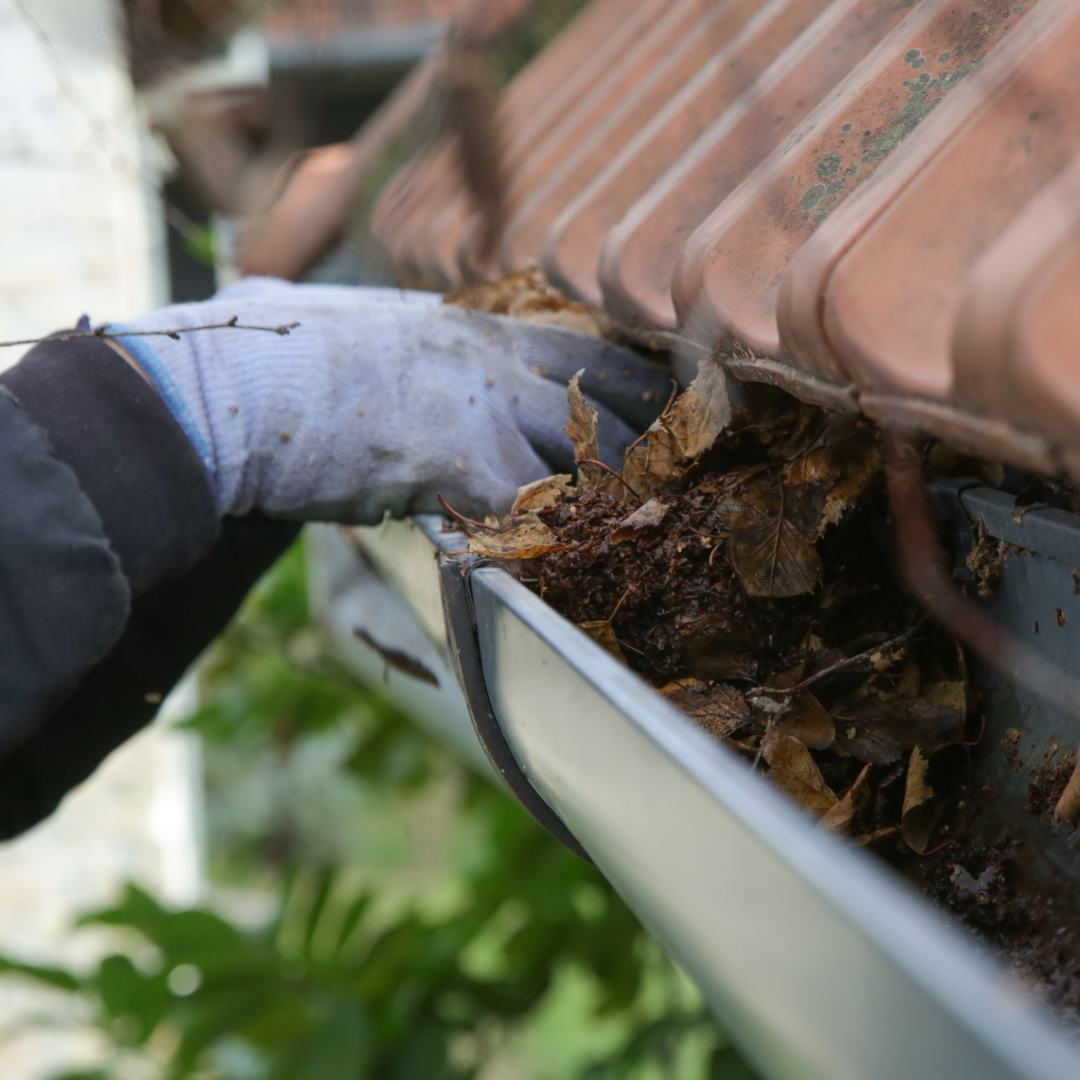
Gutters are a deceptively simple system with a critical job: directing rainwater safely away from your home. When they function properly, they protect your roof, siding, foundation, and landscaping. When they become clogged, however, damage can begin far sooner than most homeowners realize - sometimes after a single heavy rainfall. Understanding how quickly problems develop underscores why routine gutter cleaning and professional gutter cleaning services are not optional maintenance items, but essential safeguards for your property.
How Gutters Fail When They’re Clogged
Leaves, pine needles, seed pods, and roof granules accumulate over time. Once debris restricts water flow, gutters stop channeling water toward downspouts and instead hold or spill it where it does not belong. Standing water adds weight, accelerates corrosion, and creates overflow points that send water directly against vulnerable parts of your home.
How Fast Damage Can Begin
Many homeowners assume gutter issues take years to cause real harm. In practice, the timeline is much shorter:
- Immediately (during the first storm): Water overflows behind gutters, saturating fascia boards and roof edges.
- Weeks: Persistent moisture leads to wood rot, peeling paint, and mold growth along soffits and siding.
- Months: Water pooling near the foundation increases hydrostatic pressure, contributing to cracks, basement leaks, and structural settling.
- One season: Landscaping erosion, stained siding, damaged insulation, and weakened gutter fasteners become visible and costly.
In climates with frequent rain or snowmelt, this progression can accelerate even further.
The Most Common Types of Damage
1. Roof and Fascia Deterioration
Overflowing water seeps beneath shingles and along rooflines. Over time, this compromises the roof deck and fascia boards, often requiring carpentry repairs in addition to roofing work.
2. Foundation Problems
When gutters fail, water drops straight down at the base of the home. Repeated saturation of the soil around the foundation can cause cracks, shifting, and moisture intrusion into basements or crawlspaces.
3. Siding and Exterior Staining
Dirt-laden runoff streaks siding and can permanently discolor materials such as vinyl, wood, and stucco. Trapped moisture behind siding also promotes mold and mildew.
4. Landscape and Hardscape Erosion
Concentrated water flow erodes soil, damages plantings, and undermines walkways and driveways, creating both aesthetic and safety issues.
Why DIY Isn’t Always Enough
While homeowners can perform basic gutter cleaning, the task carries risks and limitations. Ladders, roof access, and hidden blockages can turn a routine chore into a safety hazard or an incomplete fix. Professional gutter cleaning services offer:
- Thorough debris removal and downspout flushing
- Identification of sagging sections, leaks, or failing fasteners
- Early detection of roofline or drainage issues
- Safer, more efficient service - especially for multi-story homes
How Often Gutter Cleaning Is Needed
As a general guideline:
- Twice per year (spring and fall) for most homes
- More frequently if you have overhanging trees or experience heavy storms
- Immediately after noticing overflow, sagging, or water pooling near the foundation
Preventive gutter cleaning costs a fraction of what structural or water-damage repairs can run.
The Bottom Line
Clogged gutters are not a slow-burning problem - they are a fast track to expensive home damage. Water will always follow gravity, and if your gutters cannot control it, your home absorbs the consequences. Regular gutter cleaning and the strategic use of professional gutter cleaning services protect your roof, foundation, and exterior, preserving both your property’s value and your peace of mind.
Proactive maintenance today is far less expensive than reactive repairs tomorrow.

_11zon.jpg)


Let’s talk about your next project.